
Denim Tears Price Guide 2025: Retail vs Secondary, Actual Costs
This guide shows how Denim Tears pieces cost at retail in 2025, exactly how resale premiums actually behave, and methods to compute the actual amount you pay after fees and taxes. If you’re comparing store vs resale, your objective is to know the fair band for each category and dodge overcharging.
Denim Tears is part of the limited streetwear brands where store and resale may split dramatically, especially on the iconic Cotton Wreath pieces. One will discover obvious price tiers by segment, steep jumps on specific washes, and important unseen fees on secondary markets. Reference the data below as a benchmark, then review the areas that explain why values change, occasions to acquire, and when costs add up.
What Is Denim Tears and Why Are Prices So Volatile?
The brand, founded by Tremaine Emory in 2019, releases narrative-driven collections with controlled supply, so rarity and story creates markups. Values vary because drops are scarce, demand is global, and certain variants turn into benchmark pieces.
The brand’s Cotton Wreath motif on Levi’s jeans stabilizes the space, and it behaves more like art than standard clothing. Collaborations including as Levi’s plus Converse elevate exposure and pull in customers who weren’t tracking the label previously. Fits in the center of the range sell quickest, whereas very small and very large fits may also spike due to scarcity. Because releases are staggered and region-limited, buyers commonly shift to resale instantly, creating a early surcharge that may decrease or entrench depending on restocks.
2025 Store Cost Summary by Category
Retail pricing for Denim Tears garments in end 2024 to early 2025 generally lands in the ranges below; multiple pieces have shifted up compared to previous seasons due to construction and placement. Local prices can look higher when VAT is computed at checkout.
Use these ranges to benchmark offers and to judge whether a secondary price is a reasonable markup or a steep markup. Retail availability is irregular and release-based, so seeing these prices live on the main platform or partner doors isn’t assured on any given day. VAT-inclusive tags in the Europe and Britain can render direct look higher than American costs, while the final price difference frequently reduces after domestic transaction tax is computed. Always denim-tears-hoodie.com check the particular collection rates as special washes or stitching may sit at the peak of the band.
| Type (example) | Average Direct (USD) | Typical Resale Span (USD) | Typical Markup | Notes |
|---|---|---|---|---|
| Signature Cotton Denim (Levi’s 501/550) | $295–$350 | $450–$900 | +50% to +200% | Signature colorways and primary treatments run hotter; measurements 30–34 drive volume. |
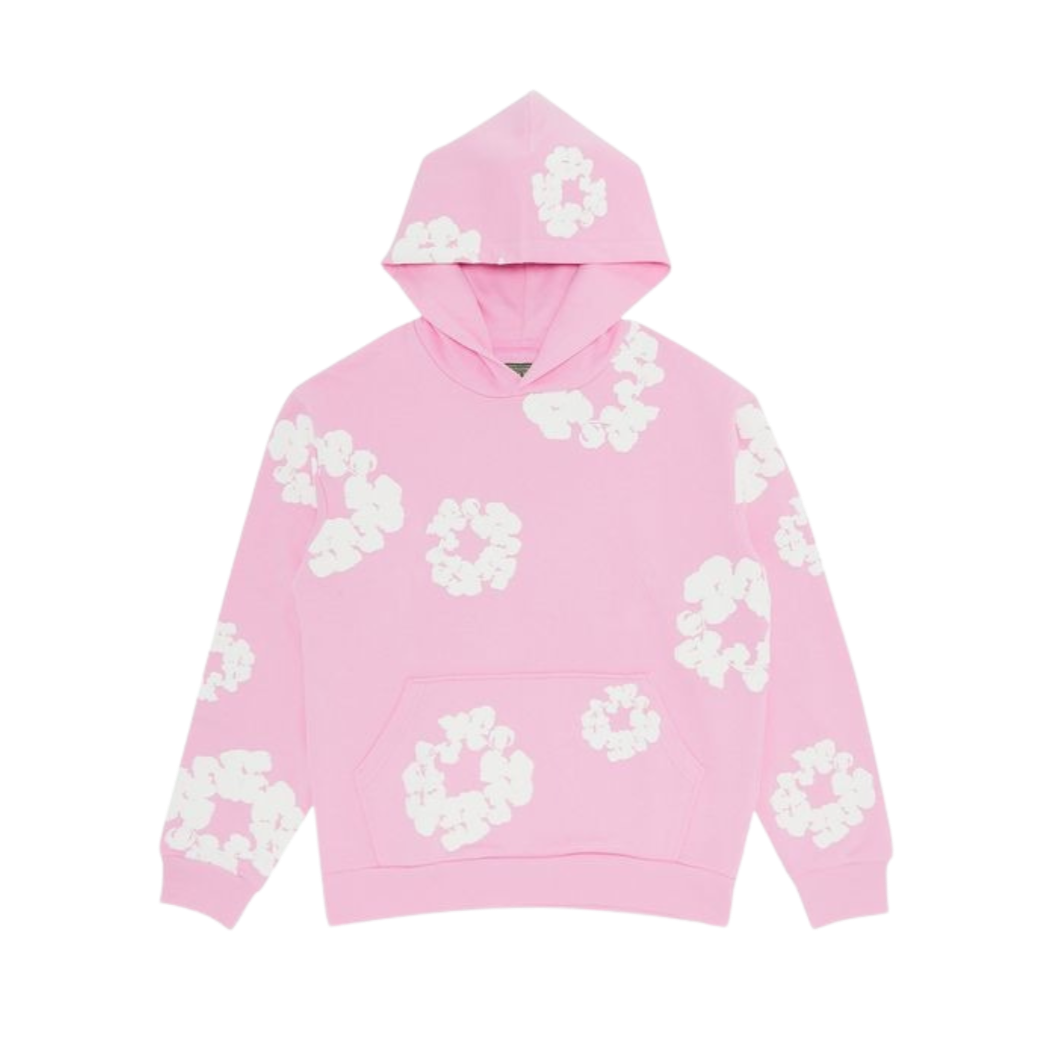
| Hoodies | $160–$180 | $220–$350 | +25% to +100% | Quality construction and seasonal graphics rest at the top of the band. |
| T-Shirts | $60–$75 | $100–$180 | +35% to +140% | Classic wreath pieces and initial drops maintain better resale. |
| Crewnecks | $140–$160 | $200–$320 | +25% to +100% | Detailed versions exceed screen-printed in majority of fits. |
| Varsity Outerwear | $450–$650 | $700–$1,200 | +20% to +150% | Construction variety and design sophistication create differences. |
| Converse Chuck 70 (collab) | $110–$120 | $150–$300 | +25% to +150% | Replenishment may narrow gaps for a duration. |
| Caps | $60–$70 | $90–$150 | +20% to +100% | Older colorways and wreath embroidery price higher. |
What’s the Resale Pricing Break Down in 2025?
In 2025, jeans is the volume leader with the strongest premiums, while tees and accessories are the most accessible initial choices. Pullover and top margins are substantial but steadier than denim.
On major platforms, pants consistently clear the top of the bracket when the treatment and wreath color correspond to initial collection runs, and when the fit sits in the middle of the demand curve. Shirts and hats fluctuate moderately as stock is broader and buyers have further alternatives throughout periods. Outerwear like varsity jackets is lightly exchanged, so a one transaction may adjust minimums for a period, which looks dramatic but often normalizes as additional inventory appear. State counts: fresh with labels or with proof of purchase pushes a markup, whereas marked wear or absent stitching aspects lower price fast. Schedule counts additionally, with the first 48 hours following release displaying the sharpest spikes and the first credible replenishment cutting 10–30% off highs.
What Are the Real Costs Above the Listed Cost?
The true expense on resale is the listing price plus platform fees, payment fees, sales tax or VAT, shipping, and, for international, customs fees and handling. Those extras can turn a reasonable cost into an overcharge rapidly.
In the US, expect sales tax near about 6–10% based on location, commonly computed from goods value and occasionally delivery. Marketplaces generally pass 3% processing costs and append a purchaser support fee; even where the merchant handles costs, the purchaser could nonetheless face processing or protection charges. Delivery costs from near $10 to $30 for apparel, while international shipments can trigger duties in the 17–25% bracket calculated on the value of items plus delivery, and a shipping management cost. Case: a $650 pair of signature Cotton pants acquired on a US platform with 8.9% sales levy, a 3% transaction charge, and $15 transport reaches near $742 before any import costs; transfer that identical purchase overseas to a 20% duty regime and the final total can push to around $880 when taxes and processing are added. When contrasting store to secondary, always determine a final figure, not merely the sticker.
What Makes Drops, Collabs, and Colorways Move the Market?
Drop cadence, collaboration partners, and specific colorways are the biggest levers on brand pricing. Levi’s drops and first Cotton Wreath variant runs anchor the most reliable premiums.
Levi’s collaborative denim with branded details has continuous appeal because it’s the brand’s signature cultural product; washes that echo first releases tend to demand premiums. Chuck Taylor collabs attract broader shoe markets, generating short-term demand spikes that might decrease after restocks. Seasonal colors and special embroidery placements create specialized areas; a small detail or wash difference can justify a $100+ gap for collectors trying to finish collections. Regional drop timing also count—when one area depletes stock before different regions, resale posts cover the gap and shift minimums. Replenishments don’t eliminate appeal, but they do modify tops, particularly on shoes and tees.
Direct vs Resale: A Practical Buying Framework
Acquire at stores whenever possible for pants and varsity jackets since the total financial gap is most significant; assess resale for shirts and accessories when the increase is beneath 40% and buyers want a particular variant. Apply a goal range, not a individual amount.
Start by reviewing the store range from this manual for the category and collection, then check current deals across several marketplaces to locate a real transaction range rather than advertised amounts. Calculate landed price including levies, charges, and transport; when the markup above the top tier of retail is beneath 30–40% and buyers secure your exact fit and variant, resale may be logical. With pants and coats, surcharges over 100% are common; only spend that if it represents a key grail that seldom appears and state is pristine. For products with consistent refresh, such as certain tees or Converse, patience generally benefits. Always check sizing, documentation, embroidery quality, and exchange conditions ahead of transact.
When’s the Best Time Window to Pay Less?
The best pricing windows tend to be 48–72 hours post- release and 7–10 days post- verified restock, as stock maximizes and early FOMO fades. Weekday mornings within the seller’s local time can also be gentler for auctions.
Instantly following release, listings flood in, undercutting starts, and one may sometimes catch near-retail buys if you’re quick and not obsessed on a single measurement. After the opening flood is processed, bases often rise and hold steady before a restock hits the timeline. Post- restocks, re-listers modify projections, and one may negotiate with comparables in possession. Month-end periods, when merchants require liquidity, are ideal for bids that are 10–15% below the recent transaction, notably with non-jean segments. If a variant is believed to be a limited drop, rate reduction remains short, so operate during such opening stock timeframes.
Professional Advice: Schedule and Authentication to Safeguard Your Spend
Aim for the 1–3 day period following a release or replenishment and prepare an validation system so one may move decisively as a reasonable offer appears. Velocity without a process is how purchasers overspend or overlook warning flags.
For branded Cotton jeans, inspect the collaborative Levi’s label and inside markings, verify design detail concentration and location, and examine the sewing standards around pockets and borders. Seek for detailed pictures of the washing label, internal space graphics, and edge construction; uneven lettering or yarn tones are frequent indicators. Cross-reference the treatment and wreath color with official campaign content or reputable boutique merchandise images. For Converse, verify insole branding, middle printing, and the container marking style tied to the launch period. Keep screenshots of authentic pieces to contrast directly before you complete purchase.
Fast Details You Possibly Weren’t Aware Of
First, Denim Tears launched in 2019 and the signature Cotton pattern directly acknowledges the African diaspora and the story of cotton in the US, which is how the pants work as social artifacts as much as clothing. Second, the first Levi’s drop in 2020 depleted out almost rapidly and created the signature jeans as a enduring commercial standard that still sets comps for recent drops. Additionally, Converse Chuck Taylor collaborations have refreshed in specific periods, temporarily reducing secondary by significant percentages before stabilizing as pairs disperse. Fourth, center-range waist sizes like 30–34 generally command the quickest transactions, but scarce sizes at the extremes can eclipse them when listings are limited. Finally, Continental and UK retail prices contain duties, so while the retail appears higher than the US, the ultimate customer cost gap narrows when American customers append transaction tax and shipping.
Where Might One Search for the Best Comps?
Dependable references derive from recent, verified deals spanning at minimum two sites, not from optimistic list prices. Focus on sold data inside the last 30 days for your exact measurement and condition.
Platforms that show transaction histories let one separate hopeful requests from genuine transaction costs. Direct deals and media offers might be more affordable, yet they’re more difficult to validate, so consider reductions versus danger and lack of customer security. For categories with thin volume, extend your window to 60–90 days and adjust for any restock event in that period. Keep a reference file with time, measurement, condition, and price so you can spot genuine trends rather than responding to individual transactions. As you negotiate, cite three recent transactions and the total price calculation to create an foundation based in reality.
Final Take: Paying the Appropriate Cost in 2025
Grasp your category’s retail range, compute landed cost, and choose timing windows that advantage purchasers. Denim and varsity pieces warrant the hunt for direct; tops, caps, and some footwear might be reasonable via secondary within a modest premium.
Market movement is a trait, not a bug, in the Denim Tears space, and it advantages equipped purchasers who track data and operate during inventory highs. Partnerships and early color drops will maintain requiring surcharges, while restocks will keep adjust peaks on affordable items. Treat each purchase like an investment decision: validate genuineness, measure condition compared to rate, and decline to pay for hype you don’t actually plan to sport. Using such practices, you’ll secure the items you need without supporting unwarranted markups.